 English
 Español
 العربية
 Tiếng Việt


ऊष्मा परावर्तक इन्सुलेशन सामग्री
Heat Reflective Insulation Materials: Principles, Types, and Applications Heat reflective insulation materials are engineered to reduce heat transfer by reflecting radiant heat rather than absorbing it. These materials are widely used in construction, automotive, aerospace, and industrial applications to improve energy efficiency, maintain temperature stability, and enhance thermal comfort. How It Works Heat reflective insulation operates on the principle of reflecting infrared radiation, which accounts for a significant portion of heat transfer. Unlike traditional bulk insulation (such as fiberglass or foam), which slows conductive and convective heat flow, reflective insulation uses a low-emissivity (low-e) surface—typically aluminum foil or metallized films—to reflect up to 97% of radiant heat. When installed with an air gap, the reflective surface creates a barrier that minimizes heat absorption, keeping interiors cooler in summer and warmer in winter. Types of Heat Reflective Insulation 1. Single- or Double-Sided Reflective Foil – Aluminum-laminated films or sheets applied to substrates like foam, fiberglass, or bubble wrap. Double-sided versions enhance reflectivity. 2. Radiant Barrier Films – Thin, flexible sheets used in attics, walls, and roofs to block solar heat gain. 3. Reflective Bubble Insulation – Combines air-trapping bubbles with reflective layers for both thermal and vapor resistance. 4. Multi-Layer Insulation (MLI) – Used in extreme environments (e.g., spacecraft), with alternating reflective and spacer layers to minimize radiative heat transfer. Key Benefits - Energy Efficiency – Reduces reliance on HVAC systems by blocking unwanted heat transfer. - Lightweight and Flexible – Easier to install than bulky materials, ideal for retrofits and tight spaces. - Moisture and Corrosion Resistance – Unlike some traditional insulations, reflective materials resist mold and degradation. - Non-Toxic and Eco-Friendly – Many options are recyclable and free of harmful fibers or chemicals. Applications - Building Envelopes – Roofs, walls, and floors in residential/commercial buildings. - Industrial Equipment – Insulating pipes, ducts, and boilers to conserve energy. - Automotive – Heat shields in engines and cabin insulation to improve comfort. - Aerospace – Thermal protection for satellites and spacecraft. Installation Considerations Proper installation is critical. Reflective materials must face an air gap (≥25 mm) to function effectively, as contact with other surfaces reduces reflectivity. Seams should be sealed with reflective tape to maintain continuity. Conclusion Heat reflective insulation offers a high-performance, sustainable solution for thermal management. By leveraging radiant heat reflection, these materials provide superior energy savings and durability across diverse industries, making them a smart choice for modern thermal control challenges.
उत्पाद
वर्गीकरण:
-
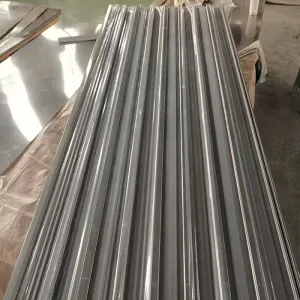
थर्मल इन्सुलेशन एल्यूमीनियम रोल
उनका वर्गीकरण: थर्मल इन्सुलेशन एल्यूमीनियम टाइलेंदृश्य: 10संख्या:रिलीज का समय: 2025-10-28 14:52:50थर्मल इन्सुलेशन एल्यूमीनियम रोल एक उच्च प्रदर्शन सामग्री है जिसे बेहतर गर्मी प्रतिरोध, ऊर्जा दक्षता और आसान स्थापना के लिए डिज़ाइन किया गया है। इंसुलेटिंग कोर के साथ संयुक्त प्रीमियम एल्यूमीनियम फ़ॉइल से निर्मित, यह रोल उत्कृष्ट थर्मल प्रतिबिंब, अग्नि प्रतिरोध और नमी संरक्षण प्रदान करता है। औद्योगिक, वाणिज्यिक और आवासीय अनुप्रयोगों के लिए आदर्श, यह स्थिर इनडोर तापमान बनाए रखने, ऊर्जा की खपत को कम करने और संरचनाओं को अत्यधिक गर्मी और संक्षेपण से बचाने में मदद करता है, जिससे यह आधुनिक इन्सुलेशन आवश्यकताओं के लिए एक बहुमुखी और लागत प्रभावी समाधान बन जाता है।
समाचार
वर्गीकरण:
-
[Industry News]डेटा सेंटरों और कोल्ड स्टोरेज सुविधाओं के लिए हल्के इन्सुलेश...
2025-11-02 08:17:26 -
[Industry News]Double-layer insulation aluminum tiles fireproofing standard...
2025-11-25 08:52:59
मामला
वर्गीकरण:
कोई खोज परिणाम नहीं!
वीडियो
वर्गीकरण:
कोई खोज परिणाम नहीं!
डाउनलोड
वर्गीकरण:
कोई खोज परिणाम नहीं!
भरती
वर्गीकरण:
कोई खोज परिणाम नहीं!
अनुशंसित उत्पादों
कोई खोज परिणाम नहीं!



 टेलीफ़ोन